Segments
What does your vessel do?
From aquaculture workboats on the coast to sightseeing ferries in the fjords and supply vessels in the North Sea.
01 / 06
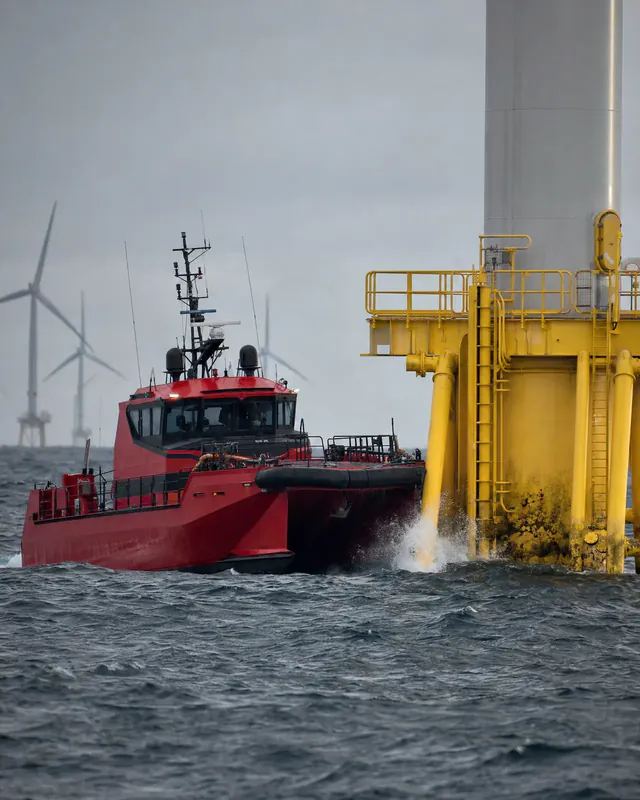
Offshore
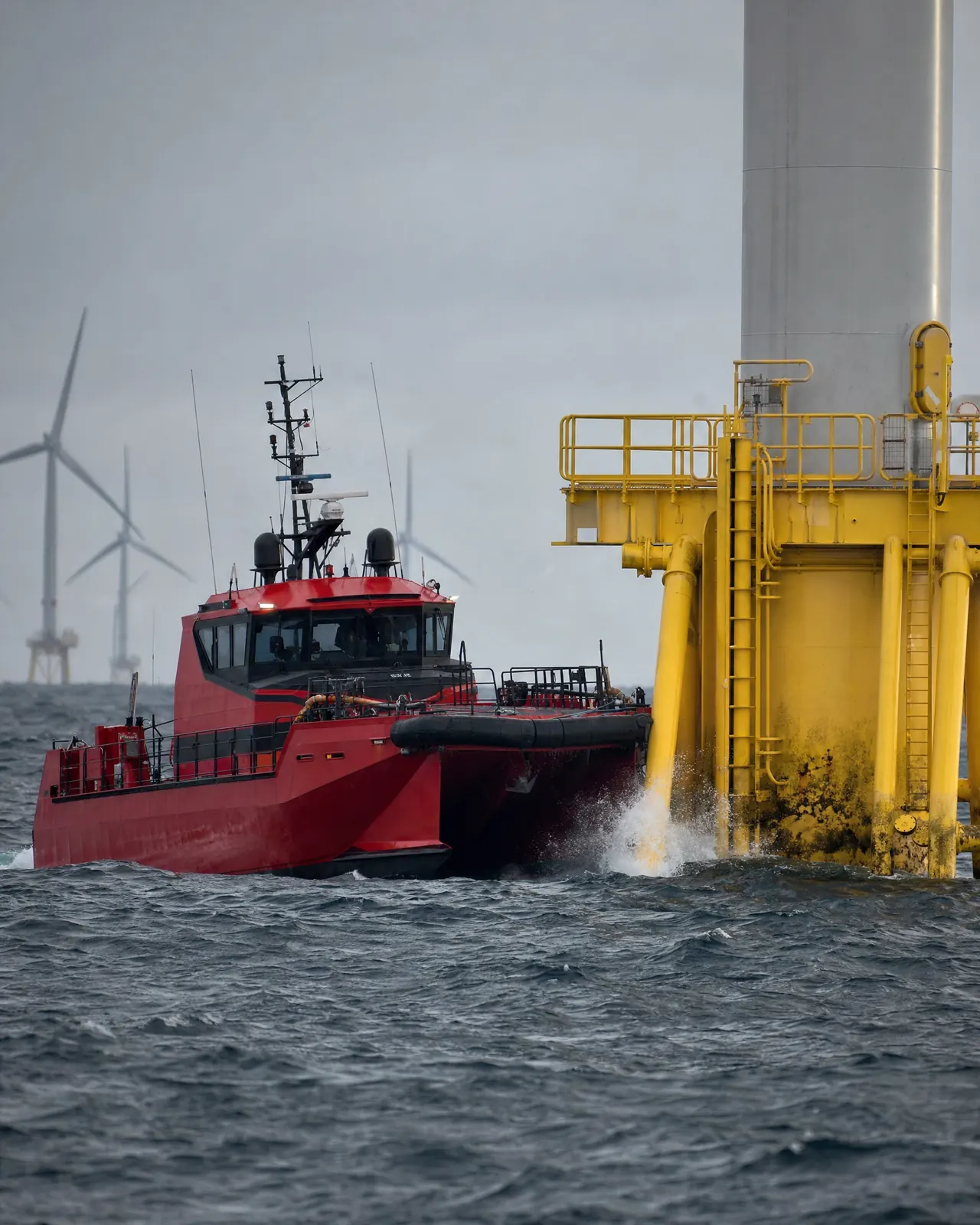
Robust peak-shaving systems for supply vessels, and compact, lightweight systems for fast crewboats in rough seas.
Why electric and hybrid
- Peak shaving. The battery covers load peaks, so fewer gensets run and those that do run at a more efficient load.
- Fewer engine hours. Less fuel, lower emissions and less maintenance. Vessels can run fully electric in port and at low load.
- Built for the North Sea. Compact, lightweight systems that keep fast crewboats fast and withstand constant motion and harsh conditions.
Delivered to


02 / 06
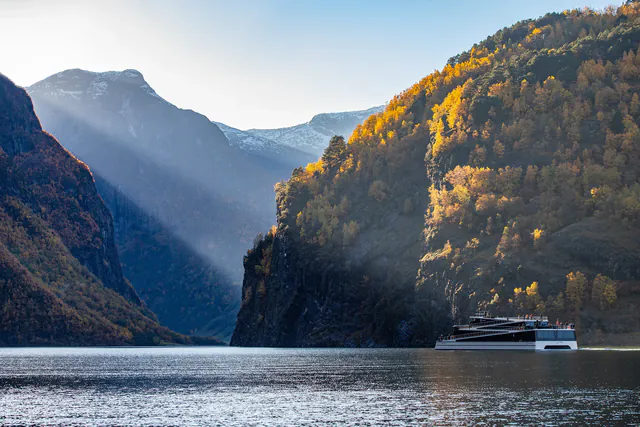
Small ferries and cruise
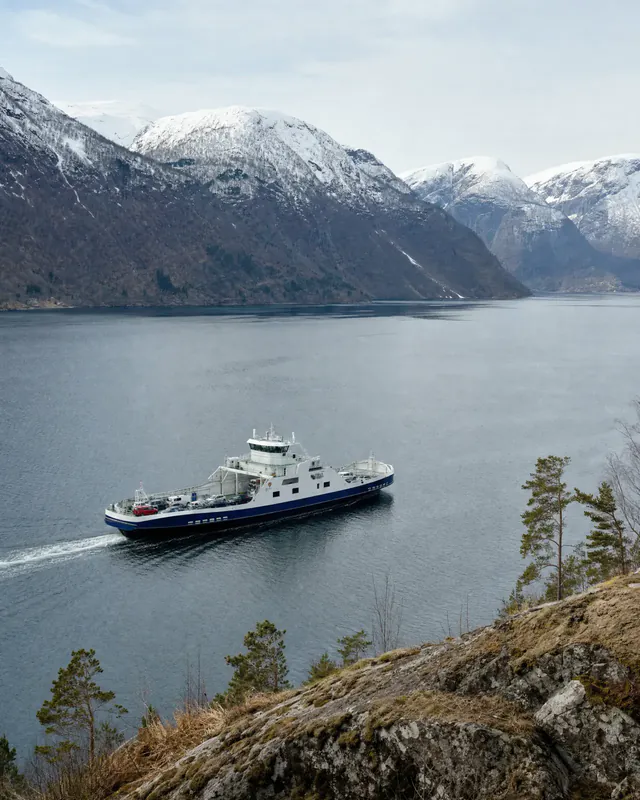
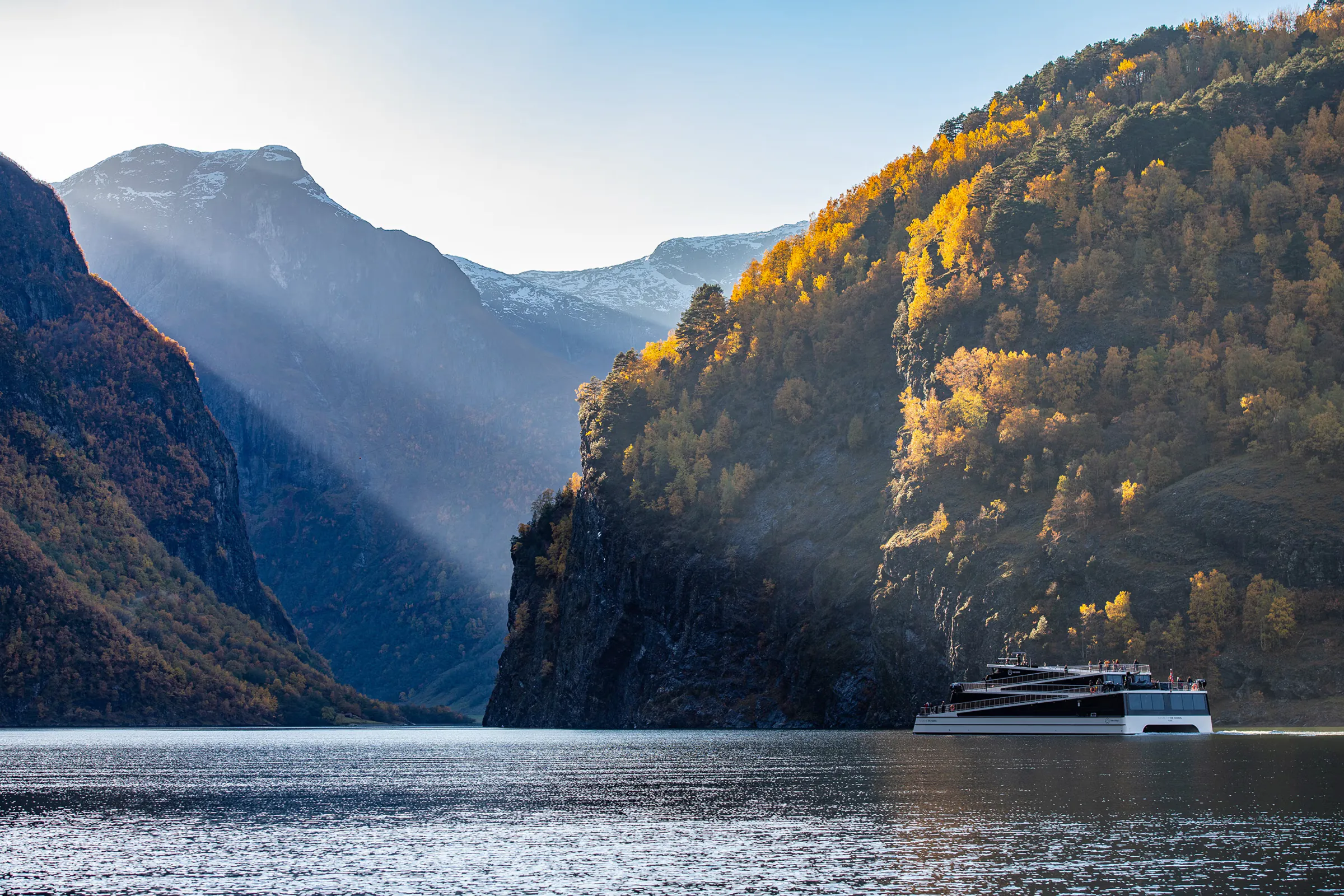
Electric and hybrid sightseeing and passenger ferries for fjords and cities.
Why electric and hybrid
- Meets zero-emission rules. Passenger ships under 10,000 GT in the West Norwegian World Heritage fjords must run zero-emission from 1 January 2026.
- A better trip. No exhaust, noise or vibration on deck, which is what sightseeing guests pay for.
- Charging that fits the schedule. MCS-ready systems take high-power, short shore charges between departures.
Delivered to
- The Fjords



03 / 06
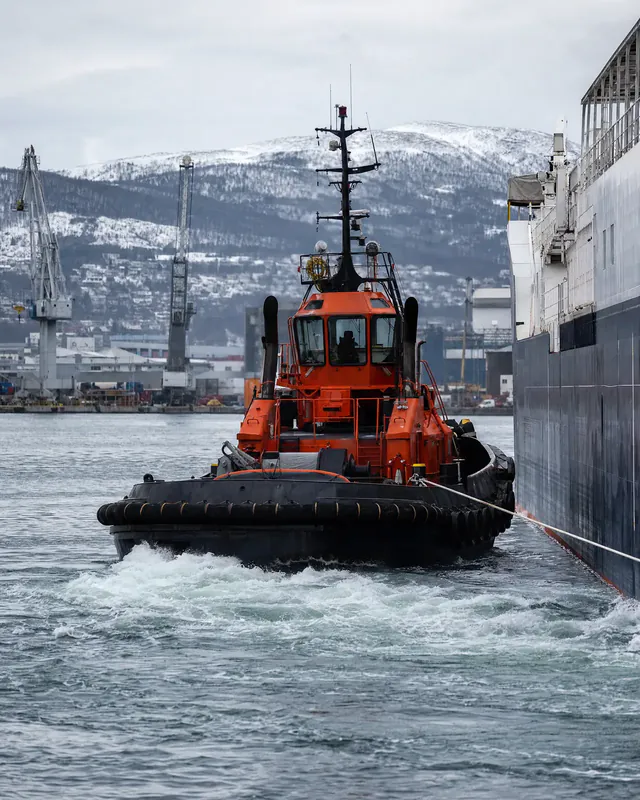
Tug and harbour craft
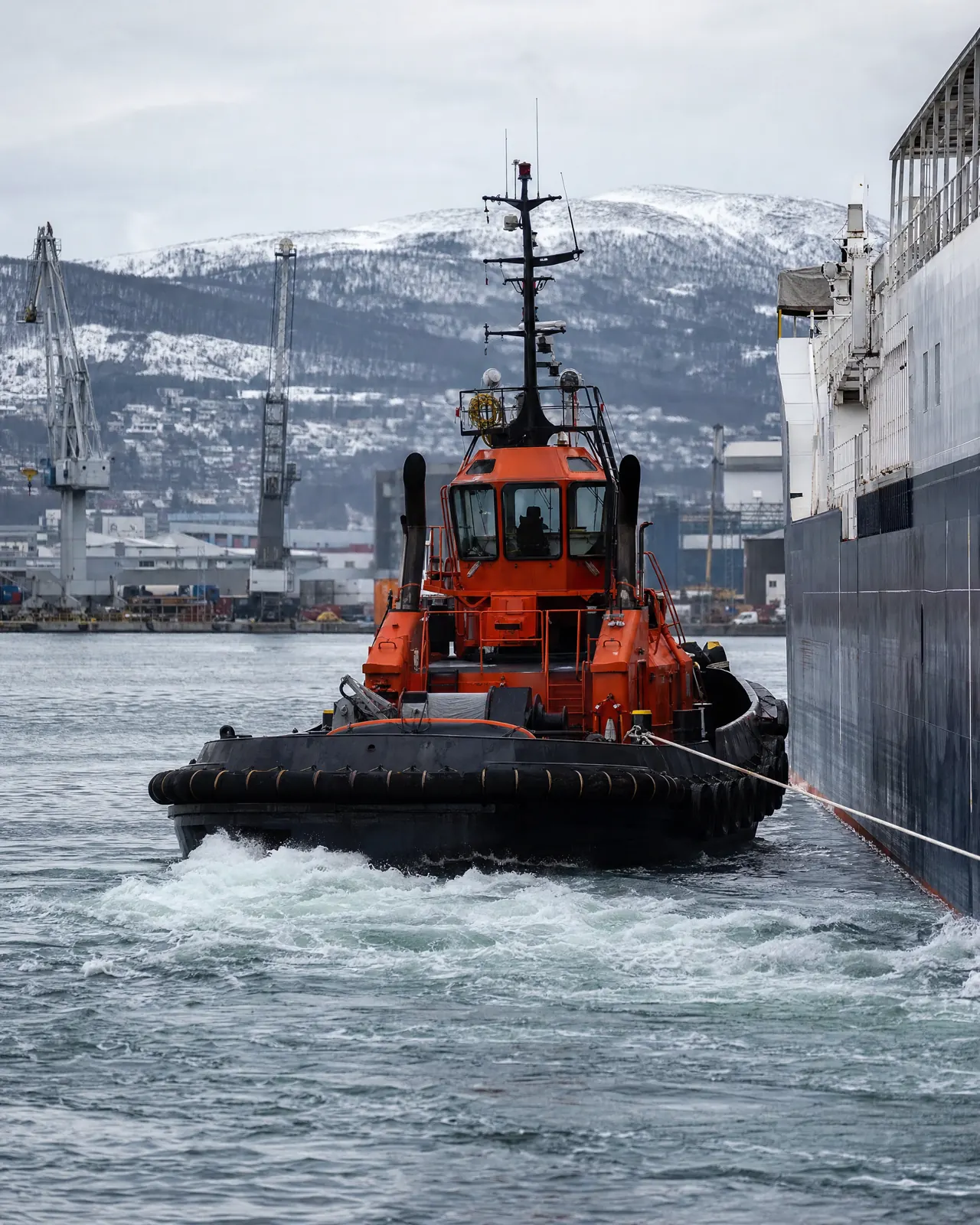
High-power systems for tugs, and compact systems for fast pilot boats, rescue vessels and water taxis.
Why electric and hybrid
- Power when it counts. Long standby periods and short bursts of high power suit batteries well. The engines run only when needed.
- Zero emissions in port. No exhaust or noise close to the city, the quay and the crew.
- Light and quick. Compact systems keep fast boats fast and manoeuvrable.
Delivered to


04 / 06
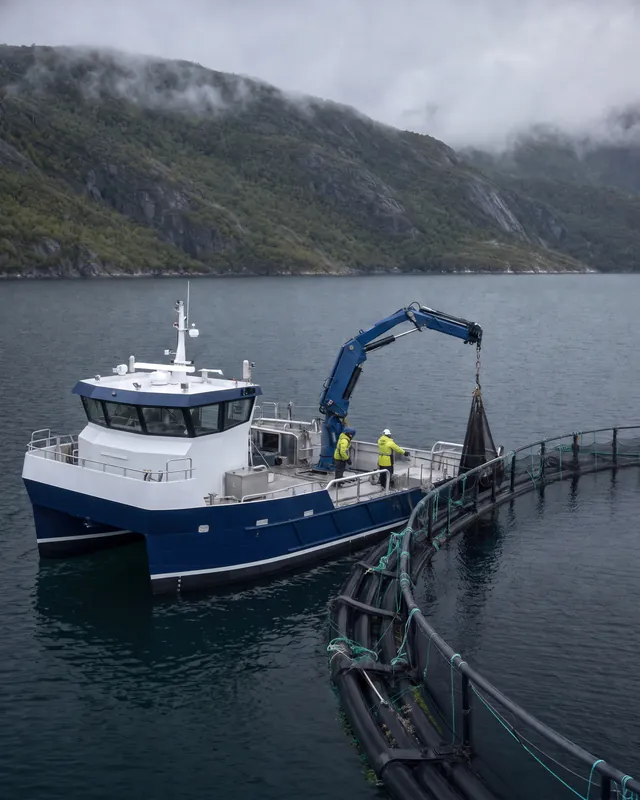
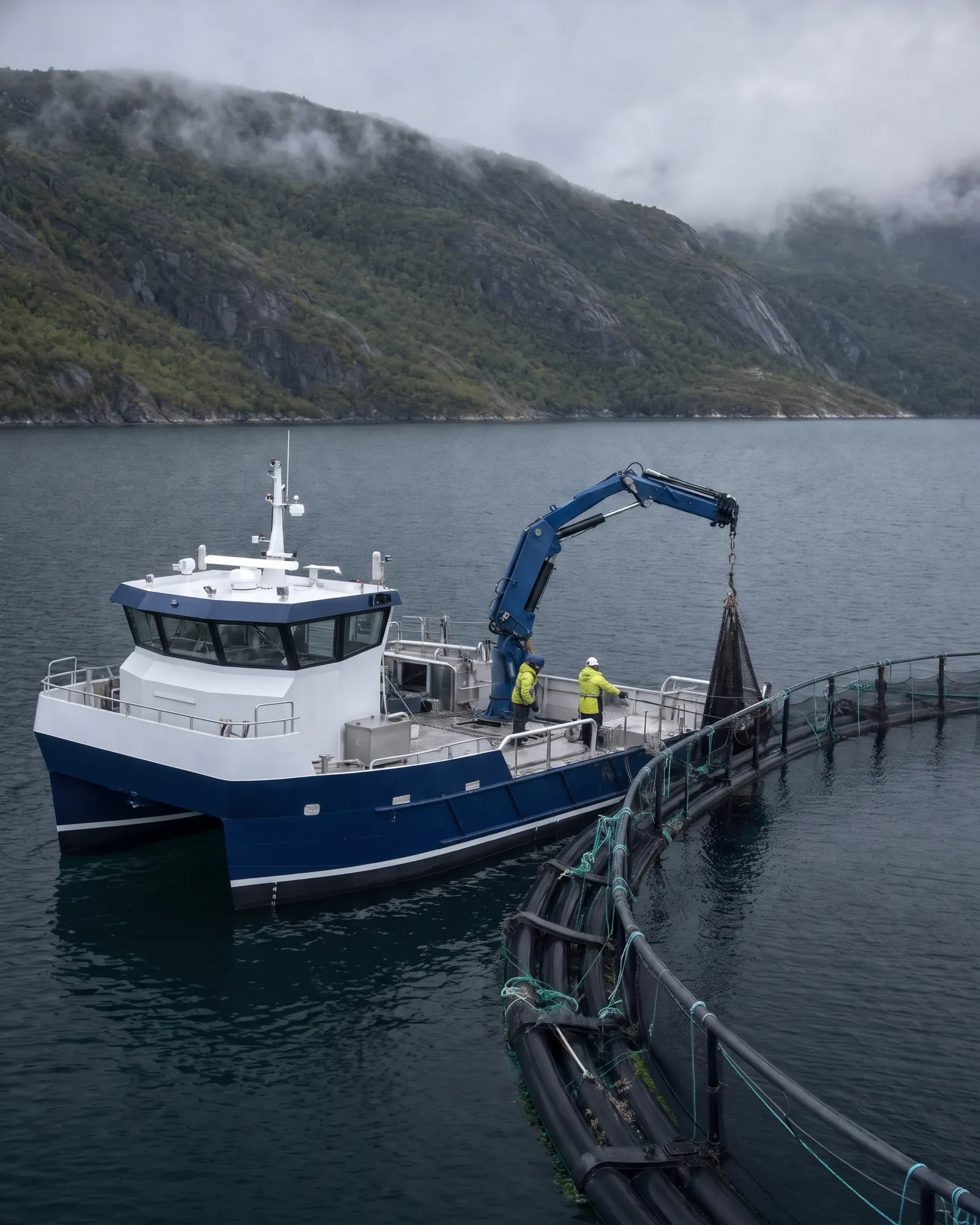
Aquaculture
Robust, easy-to-operate hybrid and fully electric systems for aquaculture workboats and feed barges.
Why electric and hybrid
- The diesel mostly stays off. Workboats spend 55–78 % of their hours alongside or idle. On the best hybrid in our data, the diesel ran 6 % of the time, against at least 44 % on a conventional boat.
- Proven savings. About NOK 0.65 million net per year, half of it from fewer engine hours and less maintenance. With 50 % shore power, payback drops from about 14 to about 8 years.
- Hybrid or fully electric. Chosen to fit the site and its access to shore power.
Delivered to

05 / 06
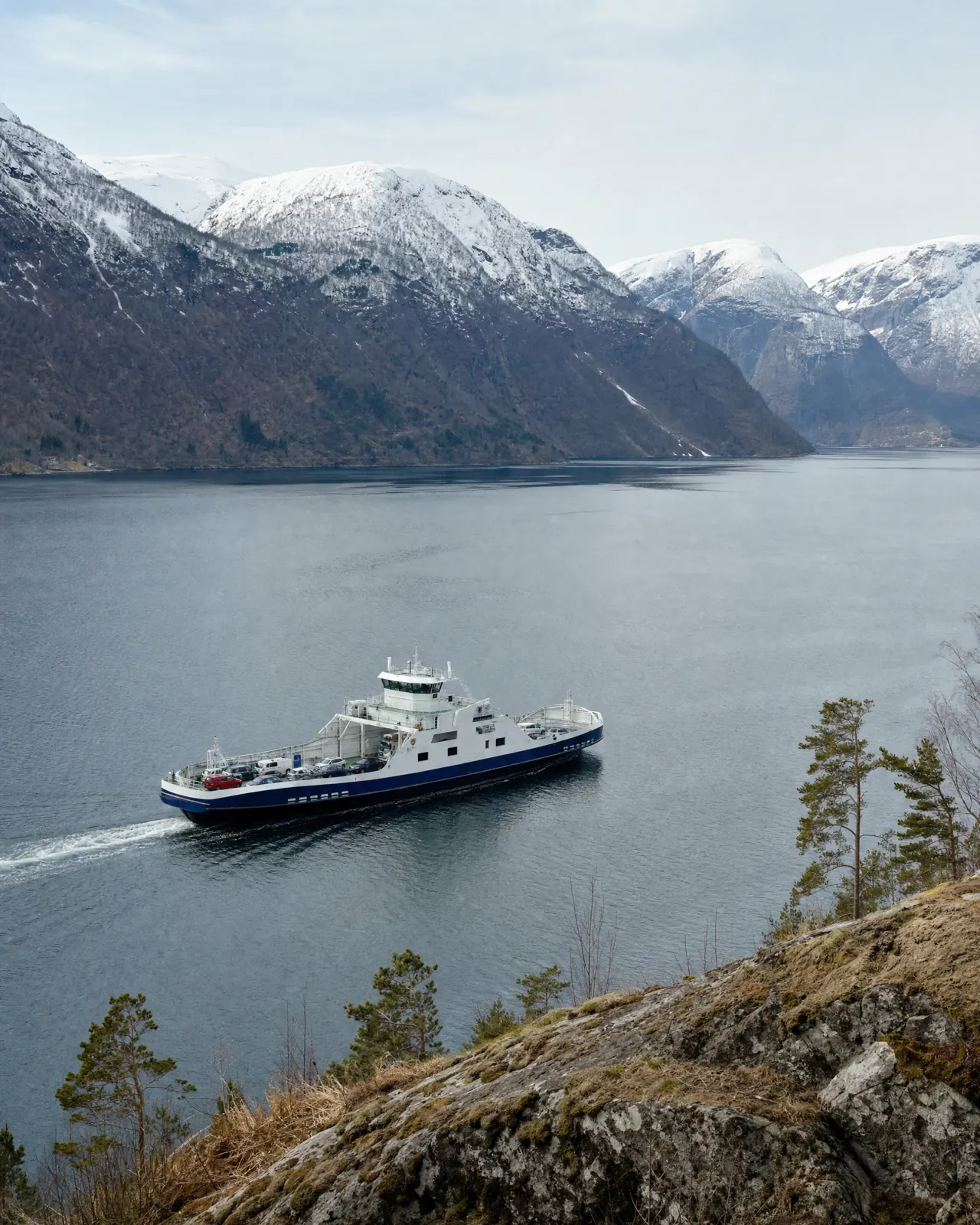
Ferry and RoPax
High-capacity battery systems and megawatt charging for car and passenger ferries on fixed routes.
Why electric and hybrid
- Fixed routes, predictable energy. A known crossing and timetable lets the battery be sized precisely, with no excess weight or cost.
- Charging in the quay time. Megawatt charging tops up the battery while cars and passengers load.
- Scales with the vessel. The same battery building block goes from 90 kWh to several MWh.
Delivered to

06 / 06
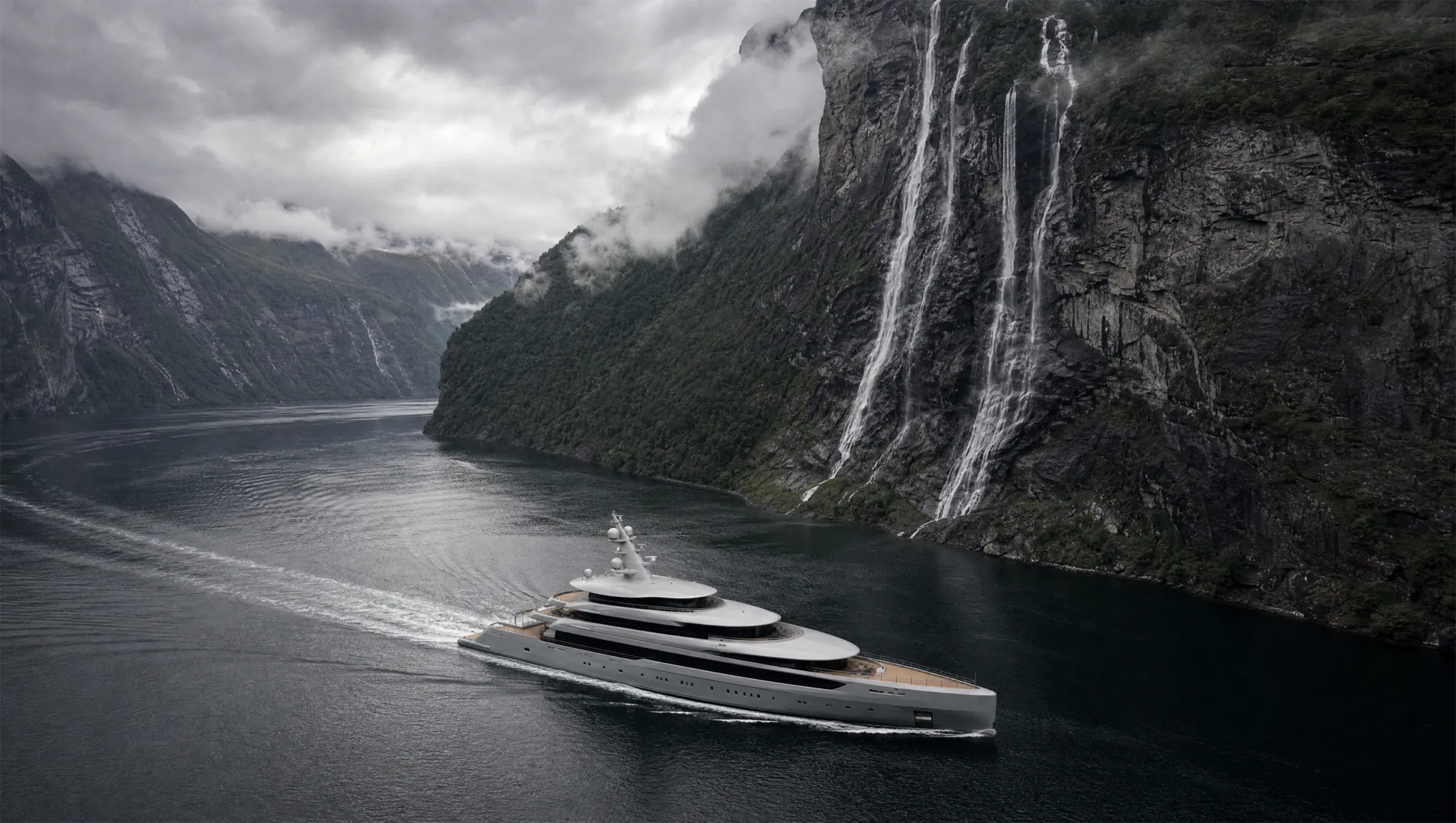
Yachts
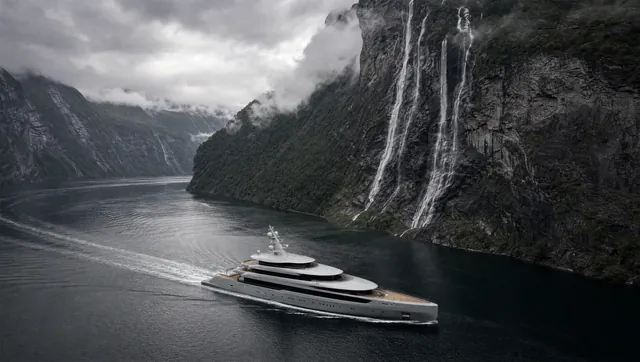
Quiet electric and hybrid power for yachts, serviced through Volvo Penta's dealer network.
Why electric and hybrid
- Zero-emission harbour entry. Move in and out of marinas and protected areas on electric power.
- Service where you are. Sold and serviced through Volvo Penta's global dealer network.
Not sure where your vessel fits?
Tell us how the vessel works, and our engineers size the system around it.